
Dinstar UC120 vs UC200: A Comprehensive Comparison for Small and Medium Enterprises
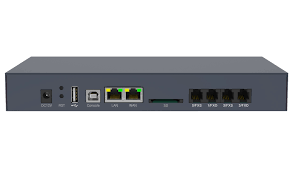
Dinstar’s UC120 and UC200 offer effective VoIP solutions designed to help small and medium-sized enterprises (SMEs) improve productivity, reduce operational costs, and scale their communications. These systems enable businesses to integrate various networks, such as VoIP, SIP, FXO, FXS, and even GSM/VoLTE, into one unified platform. In particular, the Dinstar GSM gateway adds flexibility for businesses by enabling the integration of GSM networks with VoIP systems. While both systems offer excellent features, understanding their differences can help businesses choose the right solution. Here\’s a detailed comparison between the UC120 and UC200. Overview of Dinstar UC120 and UC200 Dinstar UC120 small to medium-sized organizations can use the Dinstar UC120, a small VoIP PBX phone system. It offers a blend of traditional telephony and modern VoIP capabilities, providing a cost-effective yet high-performance solution. Supporting up to 60 users and 15 concurrent calls, the UC120 is perfect for businesses that need reliable communication without over-complicating their infrastructure. Dinstar UC200 The Dinstar UC200 is a more advanced IP telephony system for businesses that need scalability and flexibility. The UC200 is perfect for larger groups or expanding companies because it can support up to 200 SIP users and 30 concurrent calls. It’s fully compatible with traditional PBX systems and third-party IP PBX solutions, making it a versatile option for businesses with complex or expanding communication needs. Feature Comparison: UC120 vs UC200 Here’s a breakdown of the main features and how the UC120 and UC200 compare side by side: Which One Should You Choose? Choosing between the Dinstar UC120 and UC200 depends on the size and needs of your business. Both systems offer great value, but one may suit your organization’s demands better than the other. UC120: If you\’re a small to medium business with fewer than 60 employees, the UC120 is an ideal solution. It provides solid performance, integrates easily with different networks, and offers essential features at a lower cost. Its modular design makes it easy to customize and scale within the confines of a smaller team. UC200: For businesses that are expanding or have higher communication needs, the UC200 offers more capacity. With support for up to 200 users and 30 concurrent calls, the UC200 can accommodate larger teams and more demanding communication systems. It also includes advanced features like multi-level IVR and built-in VPN support for added security, making it suitable for growing businesses or those with multiple locations. Benefits of Dinstar Systems Both the UC120 and UC200 bring several key benefits to SMEs: Conclusion The Dinstar UC120 and UC200 are both excellent choices for small and medium-sized businesses looking to upgrade their communication systems. The UC120 offers a more affordable, compact solution ideal for small businesses with modest communication needs, while the UC200 provides more power and flexibility for larger teams or businesses anticipating growth. Choosing the right system depends on your current and future communication needs, but both systems ensure high-quality performance, security, and integration capabilities. Ultimately, whether you choose the UC120 or UC200, both solutions will enhance your business’s communication capabilities, streamline operations, and help reduce costs, making them an essential investment for any SME.
Dinstar Gateways Explained: The Essential Guide to GSM, FXO, and FXS Integration.

In the constant corporate environment of today, good communication is more important than ever. Companies need strong communication systems to connect with clients, partners, and teams, both locally and globally. Dinstar gateways are now essential tools. They bridge traditional telephony and modern VoIP networks. This guide will walk you through the functionalities of Dinstar GSM gateway, Dinstar FXO gateway, and Dinstar FXS gateway, shedding light on their features, benefits, and integration processes. What is a Gateway? In telecom, a gateway is a key device. It connects different networks and ensures smooth communication between them. For instance, gateways can link traditional phone systems (PSTN) with VoIP networks, enabling voice calls over the internet. This seamless connection enhances communication efficiency and cost-effectiveness. A Closer Look at Dinstar Gateways Dinstar, a reputable name in the telecommunication sector, offers a wide range of gateways tailored to modern business needs. Let’s dive into the specifics of their GSM, FXO, and FXS gateways and explore how they can enhance your communication setup. 1. Dinstar GSM Gateway What is a GSM Gateway? A GSM gateway connects VoIP systems to mobile networks. It lets businesses make and receive calls via GSM (Global System for Mobile Communications) networks. This device is particularly useful for companies that rely heavily on mobile communication. Key Features: Benefits: Practical Application: Consider a sales team frequently on the move. Integrating a Dinstar GSM gateway ensures continuous and cost-effective communication between the office and field agents, enhancing productivity. 2. Dinstar FXO Gateway What is an FXO Gateway? An FXO (Foreign Exchange Office) gateway connects VoIP systems to traditional PSTN (Public Switched Telephone Network) lines. This setup allows businesses to leverage existing phone lines for VoIP communications. Key Features: Benefits: Practical Application: A small business primarily using VoIP can integrate a Dinstar FXO gateway to ensure uninterrupted communication during internet downtimes, maintaining operational efficiency. 3. Dinstar FXS Gateway What is an FXS Gateway? An FXS (Foreign Exchange Station) gateway connects analog devices, like traditional phones, faxes, and intercoms, to VoIP systems. This allows businesses to continue using their existing analog devices within a modern communication network. Key Features: Benefits: Practical Application: A Dinstar FXS gateway lets a hotel use its analog phones. It integrates them into a VoIP system. This saves costs and gives guests a seamless experience. Integrating Dinstar Gateways for Enhanced Communication Integrating Dinstar GSM, FXO, and FXS gateways can significantly improve your business’s communication infrastructure. Here’s how to effectively incorporate these gateways: Conclusion Dinstar gateways—whether GSM, FXO, or FXS—are powerful tools for enhancing business communication. They offer flexibility, reliability, and cost savings, helping businesses bridge traditional telephony with modern VoIP systems. By knowing the strengths of each type of gateway, you can improve your communication strategy. It will also ensure smooth connectivity across your organization.
GSM Gateway vs. VoIP: Which Solution is Best for Your Business?
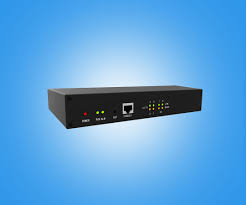
Success in the fast-paced business world of today depends on having efficient communication methods. VoIP (Voice over Internet Protocol) systems and GSM gateways are two well-liked tools that enhance commercial communication. While each has benefits, the best option will be to rely on the particular requirements of your business. Together, we can examine these distinctions and determine which is most advantageous for your company. What is a GSM Gateway? A GSM gateway is a device that connects a traditional phone system (PSTN) with a mobile network. It allows businesses to make and receive calls via mobile SIM cards, bypassing traditional landlines. One of the leading manufacturers of GSM gateways is Dinstar, known for its reliable and feature-rich products. A Dinstar GSM Gateway in India is widely used by businesses to reduce call costs, especially for international and mobile calls. It provides seamless connectivity between different communication systems, enhancing operational efficiency. What is VoIP? VoIP (Voice over Internet Protocol) enables voice communication over the internet. Instead of using a landline or mobile network, VoIP converts voice into digital signals that travel via broadband. VoIP is particularly beneficial for companies with high-speed internet and allows for multiple functionalities like video conferencing, file sharing, and messaging. Key Differences: GSM Gateway vs. VoIP Conclusion: Which One Should You Choose? For businesses that require seamless communication in areas with poor internet infrastructure, Dinstar GSM Gateway in India might be the ideal solution. Its specifications—like dual SIM slots, support for multiple networks, and high call quality—make it suitable for various applications. However, if your company relies heavily on the internet and you need advanced features like video conferencing, VoIP could be the better option. In the end, the best solution depends on your business requirements, infrastructure, and future growth plans.
GSM Gateway vs. VoIP: Which is Right for Your Business?

Businesses have more alternatives than ever when it comes to communication technologies in today\’s interconnected world. GSM gateways and Voice over Internet Protocol (VoIP) technologies are two prevalent options. This blog post will examine the variations between these technologies, their benefits and drawbacks, and assist you in deciding which might be the most appropriate for your company\’s requirements. We\’ll also examine the manner in which VoIP and GSM gateways from Dinstar india might meet different communication needs. Comparing GSM Gateways and VoIP Cost: Quality: Features: Scalability: Hybrid Solutions: The Best of Both Worlds Many businesses find that a combination of GSM and VoIP technologies provides the most comprehensive solution. This is where Dinstar\’s range of products shines: By leveraging these different gateway types, businesses can create a tailored communication ecosystem that maximizes efficiency and minimizes costs. Choosing the Right Solution for Your Business When deciding between GSM gateways and VoIP (or a hybrid solution), consider: For many businesses, a hybrid approach using Dinstar\’s range of gateways offers the most flexible and cost-effective solution. This allows you to leverage the strengths of both GSM and VoIP technologies while mitigating their individual weaknesses. Conclusion Both GSM gateways and VoIP have their place in modern business communications. The right choice depends on your specific needs, infrastructure, and goals. Many businesses find that a hybrid approach, utilizing solutions like Dinstar GSM gateways alongside Dinstar VoIP gateways, provides the most comprehensive and adaptable communication system. Are you prepared to enhance your business correspondence? Contact us today for a personalized consultation on how Dinstar\’s range of GSM and VoIP gateway solutions can transform your communication infrastructure. Let\’s work together to design a system that meets your current needs and positions your business for future growth.