Cudy 24-Port L3 Managed Gigabit Switch with 4× 10G SFP+
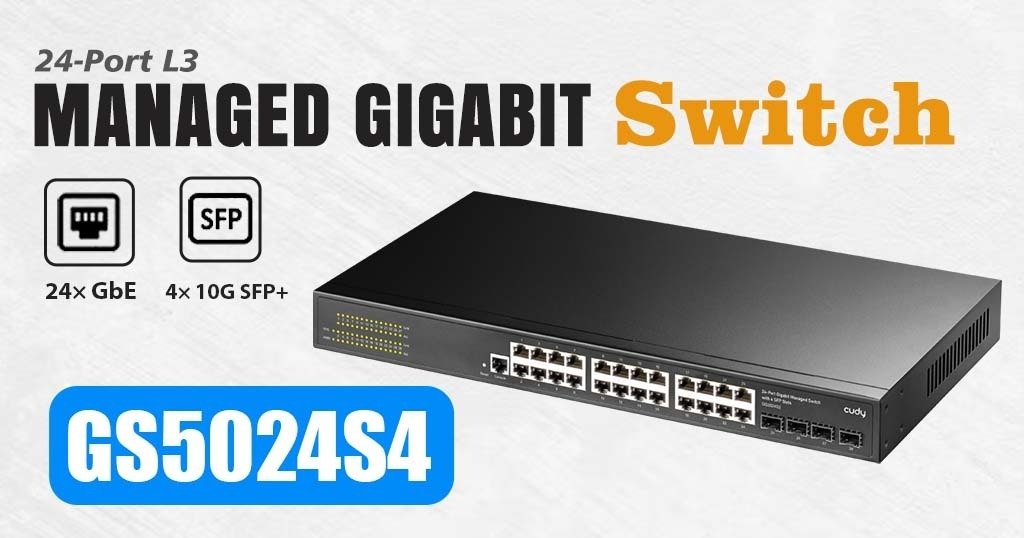
Introduction Modern businesses need reliable, high-performance networking solutions to support growing numbers of connected devices, data-intensive applications, and daily business operations. From corporate offices and educational institutions to IT infrastructure and enterprise networks, choosing the right network switch is essential for maintaining efficient connectivity. The Cudy GS5024S4 1.0 24-Port L3 Managed Gigabit Switch with 4× 10G SFP+ is designed to provide flexible connectivity, advanced network management, and high-speed uplink capabilities. With 24 Gigabit Ethernet ports, four 10G SFP+ slots, and Layer 3 management features, this switch is suitable for businesses looking to build a scalable and manageable network infrastructure. Available through DCNET India, the Cudy GS5024S4 offers a practical networking solution for organizations that require dependable wired connectivity and advanced network control. Key Features of the Cudy GS5024S4 Managed Switch 1. 24 Gigabit Ethernet Ports The Cudy GS5024S4 features 24 Gigabit Ethernet RJ45 ports, allowing businesses to connect multiple network devices through a single switch. These ports support connections for computers, servers, printers, access points, and other compatible Ethernet devices. With Gigabit connectivity, organizations can establish a wired network designed for everyday business applications, file transfers, internal communication, and general data traffic. 2. Four 10G SFP+ Uplink Slots One of the key highlights of the GS5024S4 is its four 10G SFP+ slots. These interfaces support compatible 10 Gigabit fiber connections and provide high-speed uplink options for connecting network switches and other compatible networking equipment. High-speed uplinks can help reduce congestion between network segments when configured appropriately, making the switch useful for growing office networks and infrastructure deployments. 3. Advanced Layer 3 Management The Cudy GS5024S4 supports Layer 3 networking features, including IPv4/IPv6 static routing, RIP, and OSPF. These capabilities allow network administrators to configure routing and manage communication between supported network segments. Layer 3 functionality can be particularly useful in environments where multiple VLANs or IP subnets need to communicate through a structured network architecture. 4. VLAN and Network Traffic Management Network segmentation helps organizations separate traffic according to departments, applications, or device types. The GS5024S4 supports 802.1Q VLAN, voice VLAN, MAC VLAN, IP VLAN, and other VLAN-related features. The switch also includes traffic management capabilities such as Quality of Service (QoS), port mirroring, storm control, data rate limiting, and traffic monitoring. These features help administrators manage network resources and troubleshoot connectivity issues. 5. High Switching Capacity The GS5024S4 offers a maximum switching capacity of 128 Gbps and a forwarding rate of up to 95.232 million packets per second (Mpps), according to the manufacturer’s specifications. These performance figures make it suitable for network environments requiring multiple Gigabit connections and high-speed uplinks. Actual network performance depends on traffic patterns, configuration, connected devices, and the overall network design. 6. Silent, Fanless Cooling Design The Cudy GS5024S4 uses a fanless cooling system designed for silent operation. This can be beneficial in office environments where equipment noise is a consideration. Its metal enclosure and standard rack-mount installation option also support integration into suitable network cabinets and infrastructure setups. Applications of the Cudy GS5024S4 The GS5024S4 can be considered for several networking applications, depending on deployment requirements. The GS5024S4 is not a PoE switch, so devices requiring Power over Ethernet need a separate compatible power source or PoE equipment. Why Choose Cudy GS5024S4 from DCNET India? DCNET Solutions India Pvt. Ltd. provides networking and communication products for businesses, system integrators, and channel partners. If you are planning a new network deployment or upgrading existing infrastructure, the DCNET India team can help you enquire about the Cudy GS5024S4, product availability, pricing, and suitability for your requirements. Choosing the right managed switch depends on your required port count, uplink capacity, routing needs, network segmentation, and compatibility with existing equipment. Conclusion The Cudy GS5024S4 1.0 24-Port L3 Managed Gigabit Switch with 4× 10G SFP+ combines Gigabit Ethernet connectivity, high-speed uplink options, Layer 3 routing features, VLAN management, and silent fanless cooling in one network switching solution. For businesses seeking a managed switch for office networks, enterprise connectivity, and structured IT infrastructure, the GS5024S4 is worth considering. Contact DCNET India today to enquire about the Cudy GS5024S4 and explore networking solutions for your business.
What is the Difference Between Unmanaged Switches and Managed Switches?
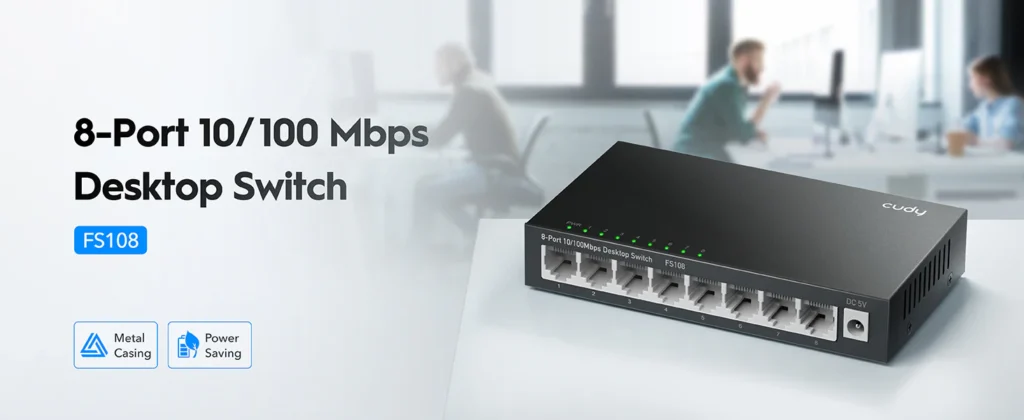
When planning a reliable network infrastructure, one of the most common questions businesses and IT teams ask is:Should we use unmanaged switches or managed switches? With growing demand for high-speed connectivity in metro cities like Delhi, Mumbai, Bengaluru, Chennai, Hyderabad, and Pune, choosing the right network switch has become more important than ever. This blog explains the differences between unmanaged and managed switches, while also highlighting how Cudy network switches serve modern networking needs across metro regions. What Is an Unmanaged Switch? An unmanaged switch is a basic networking device that connects multiple devices within a local network without requiring any configuration. These switches are designed for simplicity and ease of use. Once connected, they automatically start forwarding data between devices. Key Features of Unmanaged Switches: Unmanaged switches are commonly used in homes, small offices, retail shops, and temporary setups, especially where technical management is not required. What Is a Managed Switch? A Cudy managed switch provides advanced control, monitoring, and security features that allow administrators to manage network traffic efficiently. Managed switches are ideal for businesses, enterprises, ISPs, and organizations operating in metro cities, where networks are larger and performance expectations are higher. Key Features of Managed Switches: With managed switches, IT teams can optimize bandwidth usage, improve reliability, and quickly troubleshoot issues. What Are the Key Differences Between Unmanaged and Managed Switches? 1. Control and Flexibility Unmanaged switches offer no customization, while managed switches allow full configuration of ports, traffic flow, and policies. 2. Performance Optimization Managed switches support Quality of Service (QoS), ensuring critical applications like VoIP, cloud services, and video conferencing run smoothly—especially important in busy metro environments. 3. Security Managed switches provide advanced security features such as VLANs, access control lists, and port security, which are essential for enterprise networks. 4. Scalability Unmanaged switches are limited in scale, whereas managed switches are designed to grow with expanding networks. Why Are Managed Switches Important in Metro City Networks? Metro cities have high device density, shared workspaces, data centers, and smart infrastructure, all of which demand stable and scalable networking. Organizations in metro regions require: Managed switches are better suited to meet these demands, making them the preferred choice for corporates, campuses, hotels, hospitals, and industrial setups. How Does the Cudy Brand Fit Into Network Switching Solutions? Cudy is a globally recognized networking brand offering a wide range of unmanaged and managed network switches designed for modern connectivity requirements. Why Choose Cudy Network Switches? Cudy switches are increasingly adopted by network providers and system integrators in metro cities, where quality, scalability, and cost-efficiency are critical. Cudy Network Switches for Metro Cities in India As a growing network switches provider across metro cities, Cudy solutions are widely used in: With increasing digital transformation in Indian metro cities, Cudy’s managed switches help businesses maintain secure, high-performance networks, while unmanaged switches serve smaller deployments efficiently. Which Switch Should You Choose? Ask yourself the following questions: If your setup is simple, an unmanaged switch may be enough.If you require performance, security, and scalability, a managed switch—especially from a trusted brand like Cudy—is the better investment. Conclusion Understanding the difference between unmanaged and managed switches helps businesses choose the right networking solution. While unmanaged switches suit small and simple networks, managed switches offer better control, security, and scalability—especially for high-demand environments in metro cities. With reliable and performance-driven solutions from Cudy, organizations can build stable, secure, and future-ready networks with confidence.